venerdì 8 gennaio 2016

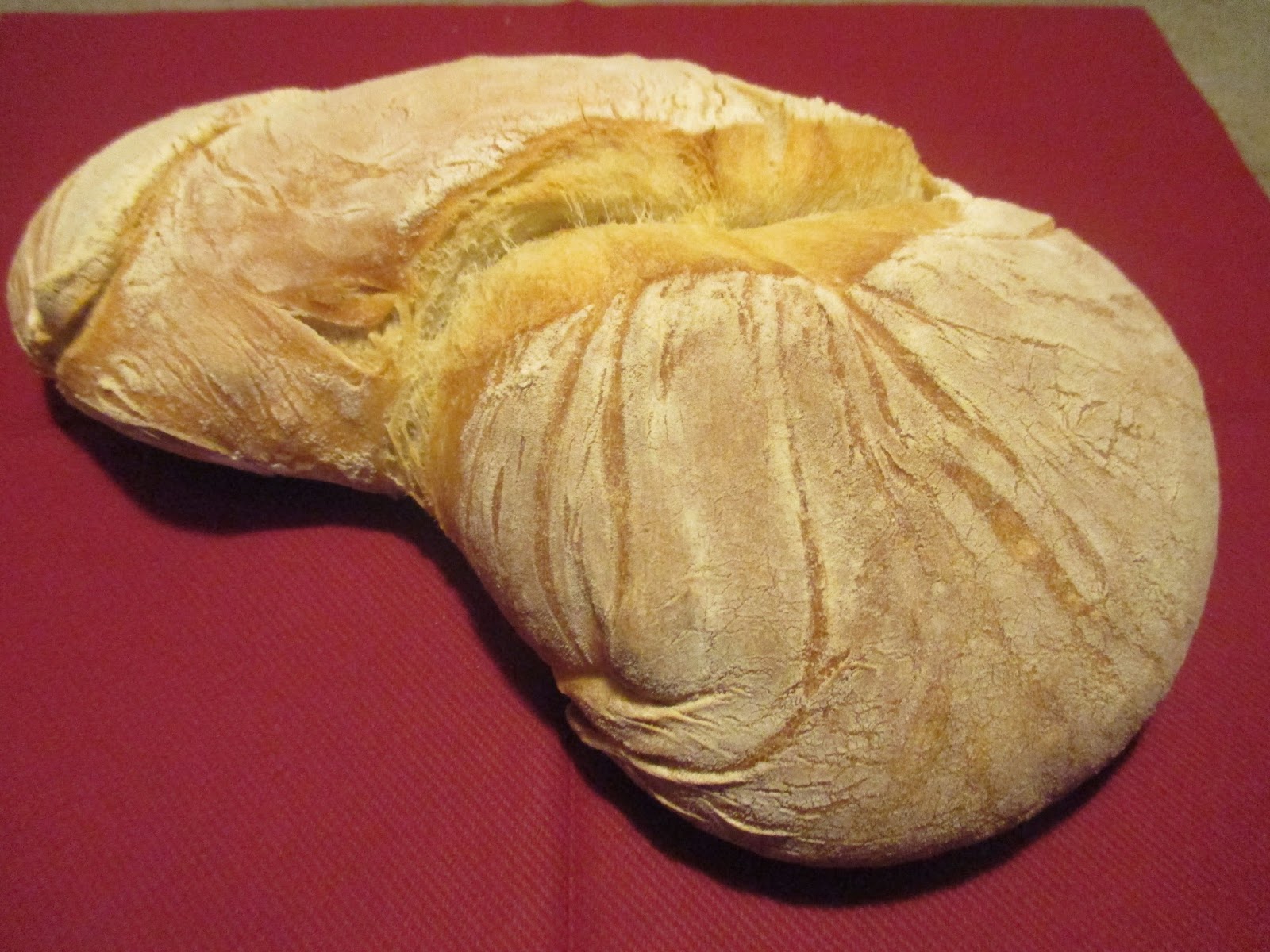
HOMEMADE BREAD WITH STARTER (BIGA) - Pane fatto in casa con impasto indiretto (biga)


The yeast "acid" or "biga" as it is called in the Italian language is a special type of yeast that exploits the technique of baking "indirect" or with the add, in the dough itself, a "pre-mix" that allows to give the finished product a digestibility and softness, particularly crumb, not indifferent. The rise of the starter, generally varies from 18 to 20 hours and is performed in the manner described below:

Ingredients for a bread loaf cooked, approximately of  about 800 grams

For the starter (or Biga):
100 grams of flour Manitoba
60 grams of water at a temperature of 25/27 degrees
3 grams of yeast

For the final dough:
380 grams of flour type 0 with gluten 280/300 W
20 grams of flour, durum wheat semolina
The starter (Biga) the day before
150 grams of water at room temperature
15 grams of fresh yeast (7 if dry)
1 teaspoon of malt extract
1 teaspoon of brown sugar
12 grams of oil
10 grams of salt

Preparation:
Prepare the starter (Biga), putting the ingredients inside of the mixer with the required doses. Take mix well, then form a ball and place in a bowl with a food alimentary tissue (NOT treated with fabric softener in the washing machine or the like !!) and place a plate over the bowl. Let it rise for about 15/18 hours.

After the interval, in the mixer, put 300 grams of flour type 0, 20 grams of semolina flour, the starter chopped, water malt, sugar, baking powder and oil. Mix together until the mixture is quite homogeneous ottenre. Now add the salt and fill the dough. Now put on a pastry and dates "force" the dough, stretching the same is not very subtle. Refold all starting therefore from the outer side, folded once inside and then yet another. Fold the two ends and place in a bowl infarintata to rise for another two hours. He spent the two hours still folded the mixture and let rise for another 2 hours. Give then the desired shape and bake at 240 degrees for about 25/30 minutes obviously static oven (you can also heart in a ventilated oven but the time should be around 15/20 minutes if at the same temperature.

When cooked obtained, baked, let it cool completely .... and then enjoy!


Il lievito "acido" o "biga" come viene chiamato in lingua italiana è un particolare tipo di lievito che sfrutta la tecnica della panificazione "indiretta" ovvero con aggiunta, nell'impasto vero e proprio, di un "pre impasto" che permetta di dare al prodotto finito una digeribilità e una morbidezza, in particolare della mollica, non indifferente. La lievitazione della biga varia generalmente dalle 18 alle 20 ore e si esegue nelle modalità qui sotto descritte:

Ingredienti per una pagnotta cotta, di circa 800 grammI

Per lo starter (o Biga):
100 grammi di farina Manitoba
60 grammi di acqua ad una temperatura di 25 /27 gradi
3 grammi di lievito di birra

Per l'impasto finale:
380 grammi di farina tipo 0 con glutine 280 / 300 W
20 grammi di farina di semola rimacinata di grano duro
lo starter (Biga) del giorno prima
150 grammi di acqua a temperatura ambiente
15 grammi di lievito di birra fresco (7 se secco)
1 cucchiaino di estratto di malto
1 cucchiaino di zucchero integrale
12 grammi di olio
10 grammi di sale

Preparazione:
Preparate lo starter (Biga), mettendo all'interno dell'impastatrice gli ingredienti con le dosi richieste. Fate impastare bene, poi formate una pallina e mettetela all'interno di una ciotola coperta con un canovaccio in tessuto alimentare (NON trattato in lavatrice con ammorbidenti o simili!!) e un piatto posto sopra la ciotola. Fatelo lievitare per circa 15 / 18 ore.

Trascorso il tempo, nell'impastatrice, mettete i 380 grammi di farina tipo 0, i 20 grammi di farina di semola, lo starter spezzettato, l'acqua il malto , lo zucchero, il lievito e l'olio. Impastate il tutto fino ad ottenere un composto abbastanza omogeneo. Aggiungete ora il sale e completate l'impasto. Mettetelo ora su di una spianatoia e date "forza" all'impasto, stendendo lo stesso non molto sottile. Ripiegate il tutto partendo quindi dal lato esterno, piegate una volta all'interno e poi ancora un altra. Ripiegate i 2 estremi e metteteli in una ciotola infarinata a lievitare per altre 2 ore. Trascorse le 2 ore ripiegate ancora il composto e fate lievitare per altre 2 ore. Dategli quindi la forma voluta e infornate a 240 gradi per circa 25 / 30 minuti a forno ovviamente statico (potete anche cuocere a forno ventilato ma il tempo deve essere intorno ai 15 /20 minuti se alla stessa temperatura.

A cottura ottenuta, sfornate, fate raffreddare completamente....e poi gustate!

giovedì 7 gennaio 2016

PIE WITH APPLES, CHOCOLATE AND ALMOND CREAM - Torta di mele con cioccolato e crema alle mandorle


A truly exquisite sweet very good for breakfast. Also try this!

Ingredients:

For the pastry light:
250 grams of flour 00
80 grams of butter
60 grams of fructose
3 organic eggs
6 grams of baking powder

For the stuffing:
100 grams of dark chocolate to 80 percent
10 grams of butter
a spoonful of milk
2 Granny Smith apples

For almond cream:
160 ml of milk
30 grams of flour type 00
30 grams of almond flour
1 organic yolk
1 tablespoon granulated sugar

Preparation:
In a global, stir the ingredients for the crust (always remembering to mix the butter with the first fructose !!). When the mixture is ready, wrap it in plastic wrap and let rest in refrigerator for at least 3 hours.

Prepare the almond cream. In a saucepan mounted the yolk with sugar. Bring the milk to a boil and incorporate it to the egg. Add the sifted flour and put the mixture on the stove with low heat. Stir continuously until creamy fairly consistent.

In a double boiler melt the chocolate with the butter and milk. Cut the apples into thin slices.

After the interval, taken the pastry and divide into 2 parts. Grease a baking dish and spread out over the first layer making sure to get to the edges. Inside you have the bottom the almond cream, then thinly sliced ​​apples and finally the melted chocolate. Richiudete with another layer and make a small hole in the center to release moisture. Bake in preheated oven at 180 degrees for about 50 minutes.

When cooked obtained, baked, let it cool completely then deformed and serve.


Un dolce veramente squisito ottimo anche per colazione. Anche questo da provare!

Ingredienti:

Per la frolla light:
250 grammi di farina 00
80 grammi di burro
60 grammi di fruttosio
3 uova biologiche
6 grammi di lievito per dolci

Per il ripieno:
100 grammi di cioccolato fondente al 80 per cento
10 grammi di burro
un cucchiaio di latte
2 mele granny smith

Per la crema alle mandorle:
160 ml di latte
30 grammi di farina tipo 00
30 grammi di farina di mandorle
1 tuorlo biologico
1 cucchiaio di zucchero semolato

Preparazione:
In una planetaria, mescolate gli ingredienti per la frolla (ricordandosi sempre di mescolare prima il burro con il fruttosio!!). Quando il composto sarà pronto, avvolgetelo in una pellicola da cucina e fatelo riposare in frigo per almeno 3 ore.

Preparate la crema alla mandorle. In un tegame montate il tuorlo con lo zucchero. Portate il latte ad ebollizione ed incorporatelo all'uovo. Unite la farina setacciata e mettete il composto sul fuoco con fiamma bassa. Mescolate continuamente fino ad ottenere una crema abbastanza consistente.

A bagnomaria fondete il cioccolato con il burro e il latte. Tagliate le mele a fettine sottili.

Trascorso il tempo, prelevate la frolla e dividetela in 2 parti. Imburrate una teglia e stendete sopra il primo strato avendo cura di arrivare fino ai bordi. All'interno disponete sul fondo la crema alla mandorla, poi le mele tagliate sottili e per finire il cioccolato fuso. Richiudete con l'altro strato e fate un piccolo foro al centro per fare uscire l'umidità. Infornate a forno caldo a 180 gradi per circa 50 minuti.

A cottura ottenuta, sfornate, fate raffreddare completamente poi sformate e servite.

LASAGNA WITH FONTINA CHEESE AND PESTO - Lasagna pesto e formaggio


Here's another classic dish of the festival, however, combined with 2 ingredients dop as fontina cheese and pesto

Ingredients for 4 people:

For the lasagna:
250 grams of flour type 0
50 grams of flour, durum wheat semolina
3 organic eggs
half a tablespoon of oil
salt

For the dressing:
200 grams of fontina

For the sauce:
50 grams of flour 0
50 grams of butter
400 ml of whole milk

For the pesto:
1 bunch of fresh basil
½ tablespoon toasted pine nuts
1 tablespoon grated pecorino
3 tablespoons extra virgin olive oil

Preparation:
Mix all the ingredients needed to make lasagna. When you obtain a rubber band, let it rest, wrapped in plastic wrap de cuisine, in the refrigerator for about 30 minutes.

Prepare the sauce by making the roux with butter and flour. Add the milk and cook until the sauce is slightly thick and glossy. Prepare the pesto by mixing all ingredients in a blender.

When the dough has finished resting, roll it out and cut it by many rectangular sheets. Grease a baking sheet and place on a sheet of pasta. Put a layer of sauce, one of pesto and slices of fontina. Go on like this until all the ingredients. Finish putting on the top of the flakes of butter and grated Parmesan. Bake at 220 degrees in oven for about 25/30 minutes. Remove from the oven, let cool slightly and serve warm.


Ecco un altro classico piatto della festa combinato però con 2 ingredienti dop come fontina e pesto

Ingredienti per 4 persone:

Per la lasagna:
250 grammi di farina tipo 0
50 grammi di farina di semola di grano duro
3 uova biologiche
mezzo cucchiaio di olio
sale

Per il condimento:
200 grammi di fontina 

Per la besciamella:
50 grammi di farina 0
50 grammi di burro
400 ml di latte intero

Per il pesto:
1 mazzetto di basilico fresco
mezzo cucchiaio di pinoli tostati
1 cucchiaio di pecorino grattugiato
3 cucchiai di olio extravergine di oliva

Preparazione:
Impastate tutti gli ingredienti necessari per fare le lasagne. Quando avrete ottenuto un composto elastico, fatela riposare, avvolta nella pellicola de cucina, in frigo, per circa 30 minuti.

Preparate la besciamella facendo il roux con burro e farina. Unite il latte e cuocete fino ad ottenere una salsa leggermente lucida e densa. Preparate il pesto mixando tutti gli ingredienti nel frullatore.

Quando la pasta avrà finito di riposare, stendetela e tagliatela facendo tanti fogli rettangolari. Imburrate una teglia e mettete sopra un foglio di pasta. Mettete sopra uno strato di besciamella, uno di pesto e delle fette di fontina. Andate avanti in questo modo fino ad esaurimento degli ingredienti. Finite mettendo sulla parte superiore dei fiocchi di burro e del parmigiano grattugiato. Cuocete a 220 gradi in forno per circa 25 / 30 minuti. Sfornate, fate raffreddare leggermente e servite caldo.

RISOTTO WITH TALEGGIO, LEEKS AND ROERO ARNEIS WINE - Risotto con taleggio, porri e vino bianco Arneis


Only high quality products for this simple but unique flavor risotto enriched mainly by the refinement of white wine from Piedmont Roero Arneis. To try.

Ingredients for 4 people:
350 grams of rice Carnaroli
1 cup white wine Arneis
200 grams of cheese Taleggio
1.5 liters of vegetable broth
1 leek Cervere
1 shallot
butter, grated Parmesan cheese
salt

Preparation:
Boil lightly the leek in hot water, then cut into slices.

Toast the rice in a fried oil and shallots, pour the white wine and let evaporate all the alcohol. Add a couple of ladles of broth and cook like this for about 15 minutes. Add the leeks and cook for another 5 minutes. After 5 minutes completed with taleggio. Let it melt well turning carefully to not to attack. Stir in butter and Parmesan, let stand a few minutes then serve.


Solo prodotti di elevata qualità per questo semplice risotto ma dal sapore unico, arricchito soprattutto dalla raffinatezza del vino bianco piemontese Roero Arneis. Da provare.

Ingredienti per 4 persone:
350 grammi di riso carnaroli
1 bicchiere di vino bianco Arneis
200 grammi di formaggio Taleggio
1,5 litri di brodo vegetale
1 porro Cervere
1 scalogno
burro, parmigiano grattugiato
sale

Preparazione:
Lessate leggermente il porro in acqua calda, poi tagliatelo a rondelle.

Tostate il riso in un soffritto di olio e scalogno, sfumate con il vino bianco e fate evaporare tutto l'alcool. Aggiungete un paio di mestoli di brodo e cuocete in questo modo per circa 15 minuti. Unite i porri e continuate la cottura per altri 5 minuti. Trascorsi i 5 minuti completate con il taleggio. Fatelo sciogliere bene girando con attenzione per non farlo attaccare. Mantecate con burro e parmigiano, fate riposare qualche minuto poi servite.

mercoledì 6 gennaio 2016

PAPPARDELLE PASTA WITH MUSSELS AND SQUIDS - Pappardelle alle cozze e calamari


Pappardelle, pasta typical of the Tuscan tradition, are perfectly matched, rather than have traditional toppings of meat, even fish. Its characteristic rough surface and permit to fixate the dressing pasta giving the palate a very pleasant sensation of crispness.

Ingredients for 4 people:
360 grams of pappardelle
1 kilogram of mussels
2 squids not very big
1 clove garlic
½ cup white wine
parsley
oil, salt

Preparation:
Wash and clean the mussels using the tool. In a pan large enough make a sauce with garlic in a little oil. Add the mussels, a couple of ladles of water and white wine. Cover and let the mussels open completely. Set aside removing them from padellla (discarded closed ones) In the same pan add the squid cut into rings. Add the parsley and cook for 15/20 minutes.
In a pot of hot water, cook the pasta. A cooking obtained drain and sauté in a pan with the mussels and squids.Serve hot.


Le pappardelle, tipica pasta della tradizione toscana, sono perfette abbinate, invece che hai tradizionali condimenti di carne, anche con il pesce. La sua caratteristica superficie rugosa permette al condimento di fissarsi alla pasta dando al palato una sensazione di croccantezza veramente gradevole.

Ingredienti per 4 persone:
360 grammi di pappardelle
1 chilogrammo di cozze
2 calamari non molto grandi
1 spicchio di aglio
mezzo bicchiere di vino bianco
prezzemolo
olio, sale

Preparazione.
Lavate e pulite bene le cozze usando l'apposito strumento. In una padella abbastanza ampia fate un soffritto con poco olio a aglio. Aggiungete le cozze, un paio di mestoli di acqua e il vino bianco. Coprite e lasciate aprire le cozze completamente. Mettetele da parte togliendole dalla padella (scartate quelle chiuse) Sempre nella stessa padella unite i calamari tagliati a rondelle. Unite il prezzemolo e cuocete per 15 / 20 minuti circa.
In una pentola di acqua calda, fate cuocere la pasta. A cottura ottenuta scolatela e fatela saltare in padella con le cozze e i calamari.Servite caldo.

COTECHINO AND RABELOT - Cotechino e rabelot


The rebelot is a famous outline of rural gastronomy culture of Milan. By strong flavor, traditionally linked to the territory, the rabelot is a dish that takes advantage of the winter fruits of the earth. Coupled with the famous sausage is something to be missed.

Ingredients for 4 people:
2 pre cooked sausages
1 cabbage big enough
4 potatoes
4 carrots
1 L and half of vegetable broth prepared before
1 yellow onion
½ cup white wine
oil, salt

Preparation:
Cut the cabbage into strips and wash it thoroughly. Peel the potatoes and cut into cubes small enough, as well as carrots.
Take a pan and fry the onion and oil. Once it begins to brown, add the potatoes and fry lightly. Add the carrots and the cabbage, then pour in half a glass of white wine. Combined with a ladle of broth and cook until the potatoes and carrots are cooked but still crunchy. Now add the sliced ​​sausages. Cook and serve hot


Il rabelot è un famoso contorno della cultura gastronomica contadina del milanese. Da sapore forte, tradizionalmente legato al territorio, il rabelot è un piatto che sfrutta i  frutti invernali della terra. Abbinato al celebre cotechino è qualcosa da provare assolutamente.

Ingredienti per 4 persone:
2 cotechini pre cotti
1 cavolo verza abbastanza grande
4 patate
4 carote
1 litro e mezzo di brodo vegetale preparato prima
1 cipolla bionda
mezzo bicchiere di vino bianco
olio, sale

Preparazione:
Tagliate a listarelle la verza e lavatela abbondantemente. Sbucciate le patate e tagliatele a cubetti abbastanza piccoli, così come le carote. 

Prendete una pentola e fate un soffritto con olio e cipolla. Una volta che avrà preso colore, unite le patate e fatele rosolare leggermente. Aggiungete le carote e la verza, quindi sfumate con mezzo bicchiere di vino bianco. Unite qualche mestolo di brodo e cuocete fino a quando le patate e le carote saranno cotte ma ancora croccanti. A questo punto aggiungete i cotechini tagliati a fette. Fate insaporire e servite caldo

martedì 5 gennaio 2016

BAKED GUINEA FOWL WITH CITRUS FRUITS WITH ONIONS BORETTANE - Faraona al forno con agrumi e cipolle borettane


A delicious baked guinea fowl with the fragrant citrus of Sicily. Seasonal, not very fat and pleasant to the palate

Ingredients for 4 people:
1 guinea fowl, clean cut pieces
3 2 organic oranges and tangerines
300 grams of onions borettane
1 liter of vegetable broth
1 teaspoon dried tarragon
1 tbsp brown sugar
1 tablespoon balsamic vinegar of Modena
fresh marjoram
oil, salt, pepper

Preparation:
Eliminate any traces of hair from guinea fowl flaming the pieces themselves on the stove. Then wash and dry them.

Then put them in a baking dish and above squeeze the juices of oranges and clementines (keep a couple of cloves of both oranges clementines). Add some orange zest and put to flaovr, covered in the refrigerator for about 1 hour and a half (pull it out half an hour earlier to allow time to the pan to reach room temperature and then not suffer chock heat inside the oven).


Meanwhile, in a pan, caramelized the cloves (with 1 tbsp of brown sugar) set aside both of clementine oranges, togheter with the peels (after removing the part biana) 2 citrus (clementines and arnce) When they changed color slightly brownish turn off the heat and remove them from the pan.

In another pan, place the onions to brown borettane with half a tablespoon of oil. Add the balsamic vinegar and let evaporate part sour. Add 2 or 3 tablespoons of broth and cook covered over low heat for about 30 minutes.

Then take the pan with the guinea fowl, Remove the peel of oranges and clementines to avoid burning and bake all at 200 degrees for about 35/40 minutes.

When cooked obtained, the oven, let cool slightly, then serve with onions borettane and caramelized citrus fruit.


Una squisita faraona al forno con dei profumatissimi agrumi di Sicilia. Di stagione, non molto grassa e piacevolissima al palato

Ingredienti per 4 persone:
1 faraona, pulita in pezzi già tagliati
3 mandarini e 2 arance biologiche
300 grammi di cipolle borettane
1 litro di brodo vegetale
1 cucchiaino di dragoncello essiccato
1 cucchiaio e mezzo di zucchero di canna
1 cucchiaio di aceto balsamico di Modena
maggiorana fresca
olio, sale, pepe

Preparazione:
Eliminate eventuali tracce di peli dalla faraona fiammeggiando i pezzi stessi sul fornello. Lavateli quindi e asciugateli.

Metteteli in una teglia da forno e spremete sopra i succhi delle arance e delle clementine (tenete un paio di spicchi sia di arance che di clementine). Aggiungete qualche scorza di arancia e fate marinare, coperto in frigo per circa 1 ora e mezza (tiratela fuori mezz'ora prima per dare il tempo alla teglia di arrivare a temperatura ambiente e quindi non subire chock termici all'interno del forno).

Nel frattempo, In una padella, caramellate gli spicchi (con 1 cucchiaio e mezzo di zucchero di canna) messi da parte sia di arance che di clementine, insieme alle bucce (dopo aver eliminato la parte biana) dei 2 agruni (clementine e arance) Quando avranno assunto un colore leggermente marroncino spegnete il fuoco e toglietele dalla padella.

In un'altra padella, mettete le cipolle borettane a rosolare con mezzo cucchiaio di olio. Unite l'aceto balsamico e fate evaporare la parte acidula. Aggiungete 2 o 3 mestoli di brodo e cuocete coperto a fuoco lento per circa 30 minuti.

Prendete quindi la teglia con la faraona, Togliete le scorze di arance e clementine per evitare che si brucino e infornate il tutto a 200 gradi per circa 35 / 40 minuti.

A cottura ottenuta, sfornate, fate raffreddare leggermente, quindi servite con le cipolle borettane e gli agrumi caramellati.

lunedì 4 gennaio 2016

AGNOLOTTI WITH STRACCHINO CHEESE AND LEEKS - Agnolotti con stracchino e porri


A quick meal, energy and tasty. Great for any occasion or when you do not know what to prepare.

Ingredients for 4 people:
400 grams of ravioli stuffed with ricotta and spinach
200 grams of cheese stracchino
1 leek
half a glass of milk
1 tablespoon heavy cream
1 tablespoon grated Parmesan cheese
salt and pepper

Preparation:
Blanch the leek after having trimmed and washed. Put it in a bowl and let rest.

In a pot of hot water, cook the ravioli. A cooking obtained put them in the bowl and add the soft cheese, leeks, cream, half a ladle of the cooking water, milk and parmigiano.Salate, pepper, mix well and serve hot


Un piatto veloce, energetico e gustosissimo. Ottimo per ogni occasione o quando non si sa cosa preparare.

Ingredienti per 4 persone:
400 grammi di agnolotti ripieni alla ricotta e spinaci
200 grammi di formaggio stracchino
1 porro
mezzo bicchiere di latte
1 cucchiaio di panna da cucina
1 cucchiaio di parmigiano grattugiato
sale, pepe

Preparazione:
Sbollentate il porro dopo averlo mondato e ben lavato. Mettetelo in una ciotola e fatelo riposare.

In una pentola di acqua calda, cuocete gli agnolotti. A cottura ottenuta metteteli nella ciotola e unite lo stracchino, i porri, la panna, mezzo mestolo di acqua di cottura, il latte e il parmigiano.Salate, pepate, mescolate il tutto e servite caldo

domenica 3 gennaio 2016

BEEF TENDERLOIN WITH MUSTARD SWEET AND SOUR SAUCE - Filetto di manzo con salsa agrodolce alla senape


The tenderlois is always one of the valuable parts of veal or pork, for example. I combined it with a wonderful sweet and sour sauce and the wonderful peas in a pan made in the classic way.

Ingredients for 4 people:
4 fillets of beef fassona Piedmont
320 grams of peas fine
garlic, olive oil, fresh marjoram
1 ladle of vegetable stock

For the sauce:
1 hard-boiled egg yolk
2 anchovies in oil
1 tablespoon Dijon mustard
3 tablespoons extra virgin olive oil
1 teaspoon brown sugar
half a tablespoon of balsamic vinegar of Modena
salt

Preparation:
Prepared peas, making them cook in a pan where you have previously prepared a fried. Add the ladle of broth, fresh marjoram and cook until cooked optimal.

Prepare the sauce by putting in a mixer all the ingredients, then let rest.

At this point, remove the peas dallla pan and cook the fillets (depending on your preferred doneness).

Serve with mustard sauce and peas.


Il filetto è da sempre una delle parti pregiate della carne di vitello o di maiale ad esempio. Io lo ho abbinato ad una stupenda salsa agrodolce e a dei meravigliosi piselli in padella fatti nel più classico dei modi.

Ingredienti per 4 persone:
4 filetti di manzo di fassona piemontese
320 grammi di piselli finissimi
aglio, olio, maggiorana fresca
1 mestolo di brodo vegetale

Per la salsa:
1 tuorlo di uovo sodo
2 acciughe sotto olio
1 cucchiaio di senape di Digione
3 cucchiai di olio extravergine di oliva
1 cucchiaino di zucchero integrale
mezzo cucchiaio di aceto balsamico di Modena
sale

Preparazione:
Preparate i piselli, facendoli cuocere in una padella dove avrete preparato precedentemente un soffritto. Unite il mestolo di brodo, la maggiorana fresca e cuocete fino a cottura ottimale.

Preparate la salsa, mettendo all'interno di un mixer tutti gli ingredienti necessari, quindi fate riposare.

A questo punto, togliete i piselli dalla padella e cuocete i filetti (a seconda del vostro grado di cottura preferito). 

Impiattate con la salsa alla senape e i piselli.

venerdì 1 gennaio 2016

SOUTHERN RHAPSODY - Rapsodia meridionale


A dish with many flavors, outside the rules than any scheme. As a rhapsody that brings me to mind places and flavors close to me.

Ingredients for 4 people:
400 grams of macaroni Gragnano
80 grams of grated salted ricotta
1 broccoli
half a tablespoon of 'nduja
1 tablespoon tomato sauce
1 teaspoon tomato paste
1 anchovy in oil
salt,

Preparation:
Clean and wash the broccoli. Cook it whole in a pressure cooker. When cooked obtained, cut into pieces not too big and brown it in a pan with a little oil, a clove of garlic and anchovy. Add the tomato paste, sauce and nduja and cook together for a few minutes. Then turn off the heat and let rest. In a saucepan, cook the macaroni. At cooking obtained drain and let stir-fry. Add the ricotta. Stir gently and serve.


Un piatto con molti sapori, fuori dalle regole, oltre ogni schema. Come una rapsodia che mi porta alla mente posti e sapori a me vicini.

Ingredienti per 4 persone:
400 grammi di maccheroni di Gragnano 
80 grammi di ricotta salata grattugiata
1 broccolo 
mezzo cucchiaio di 'nduja
1 cucchiaio di sugo di pomodoro
1 cucchiaino di concentrato di pomodoro
1 acciuga sotto olio
sale, 

Preparazione:
Pulite e lavate il broccolo. Fatelo cuocere intero in pentola a pressione. A cottura ottenuta, tagliatelo a pezzi non molto grandi e fatelo rosolare in padella con poco olio, uno spicchio di aglio e l'acciuga sott'olio. Aggiungete il concentrato di pomodoro, il sugo e la nduja e fate insaporire il tutto per qualche minuto. Spegnete quindi il fuoco e fate riposare. In una pentola, cuocete i maccheroni. A cottura ottenuta scolateli e fateli saltare in padella. Unite la ricotta salata. Mantecate leggermente e servite.